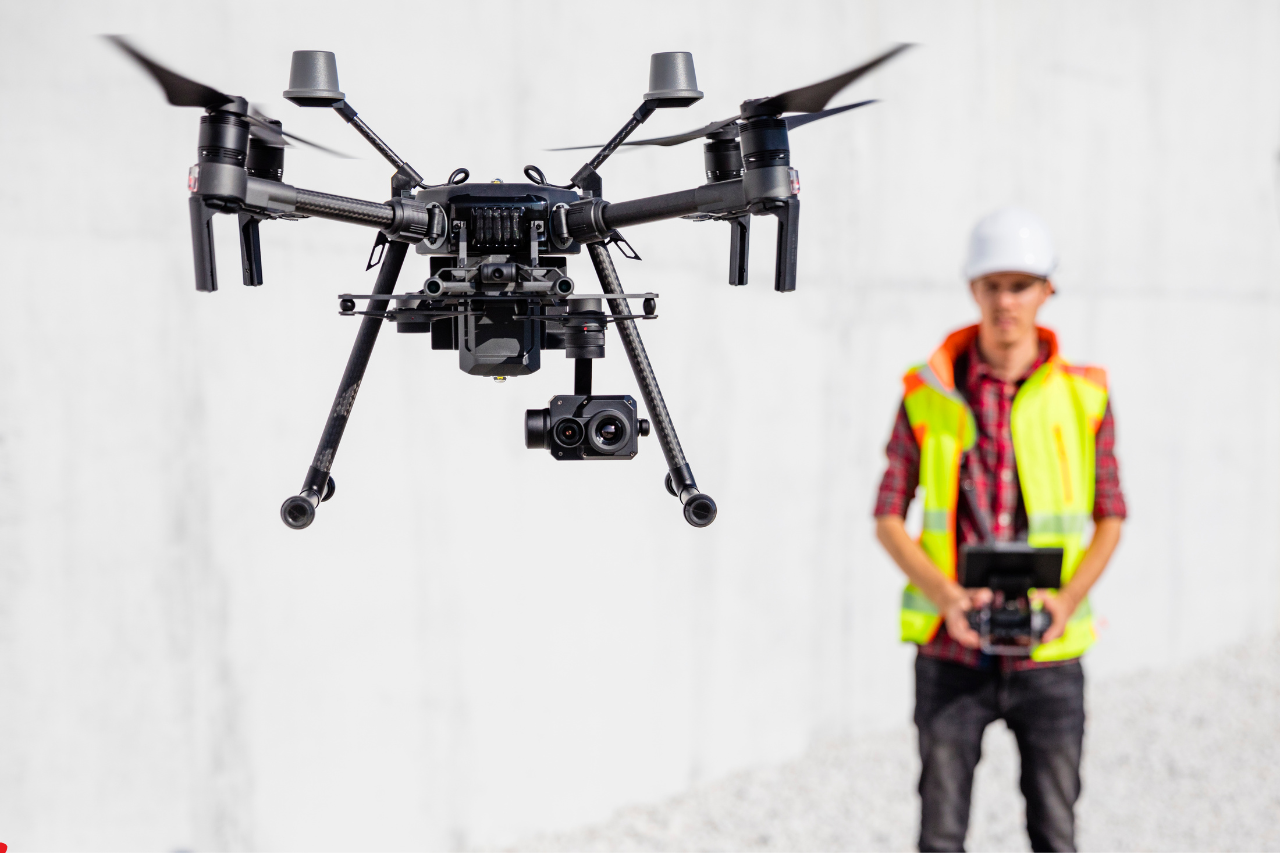
Drones are widely used by police to locate missing persons in environments such as forests, rivers, mountains, and urban areas. This application involves deploying unmanned aerial systems equipped with cameras and thermal sensors to scan large areas quickly. Traditional search methods rely heavily on ground teams, which can be slow and limited by terrain, visibility, and manpower. Drones significantly enhance this process by providing a rapid aerial overview and the ability to cover vast areas in a short time.
The use of drones is particularly valuable because they can access difficult or dangerous terrain without putting officers at risk. Areas such as steep cliffs, dense forests, or fast-moving rivers pose significant hazards to search teams. Drones eliminate much of this danger while offering advanced capabilities like thermal imaging, which can detect body heat even in low-light conditions or through vegetation. This makes them especially effective during night operations or in adverse weather conditions.
The results of using drones in missing person searches are highly positive. Search times are reduced, increasing the likelihood of locating individuals alive. Police forces can also operate with fewer personnel, lowering operational costs and improving efficiency. Additionally, real-time video feeds allow command centers to coordinate search efforts more effectively. Overall, drones have transformed search and rescue operations by making them faster, safer, and more successful.