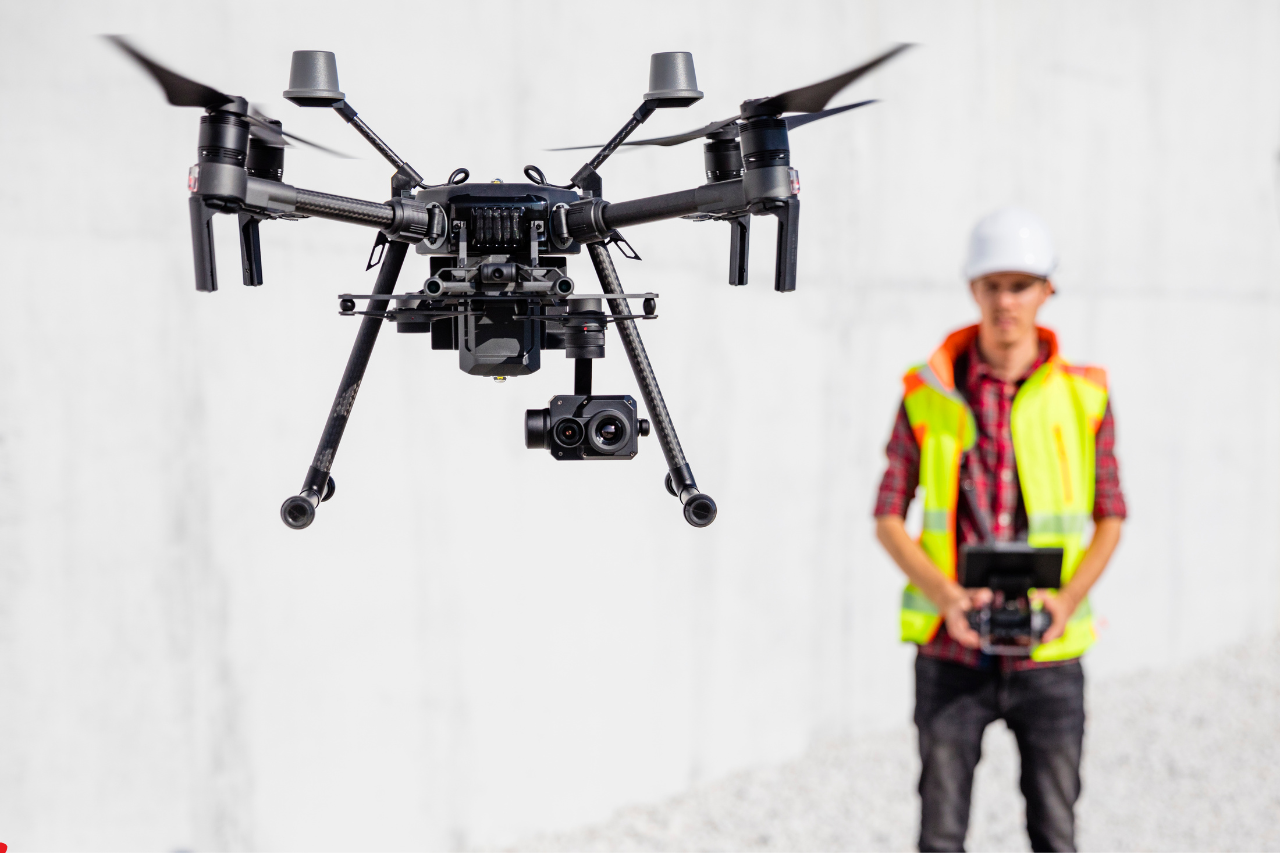
In high-risk policing situations, identifying whether a suspect is armed before officers make contact is critical. Drones are increasingly used to provide this intelligence by offering a real-time aerial perspective of suspects and their surroundings. This application involves deploying drones equipped with high-resolution zoom cameras and thermal sensors to observe individuals from a safe distance.
The primary reason for using drones in this context is officer safety. Approaching an unknown suspect can be extremely dangerous, particularly if the individual is armed or hiding. Drones allow officers to assess the situation without direct exposure, reducing the likelihood of ambush or sudden escalation. Their ability to hover and maintain a stable view makes them ideal for continuous observation, even in complex environments such as urban areas or wooded terrain.
The results of using drones for suspect identification are significant. Officers can make more informed decisions, such as whether to call for backup, negotiate, or take tactical action. This reduces unnecessary risks and can prevent violent confrontations. Additionally, drone footage can be recorded and used as evidence, supporting investigations and legal proceedings. Overall, drones enhance situational awareness and contribute to safer, more controlled policing operations.