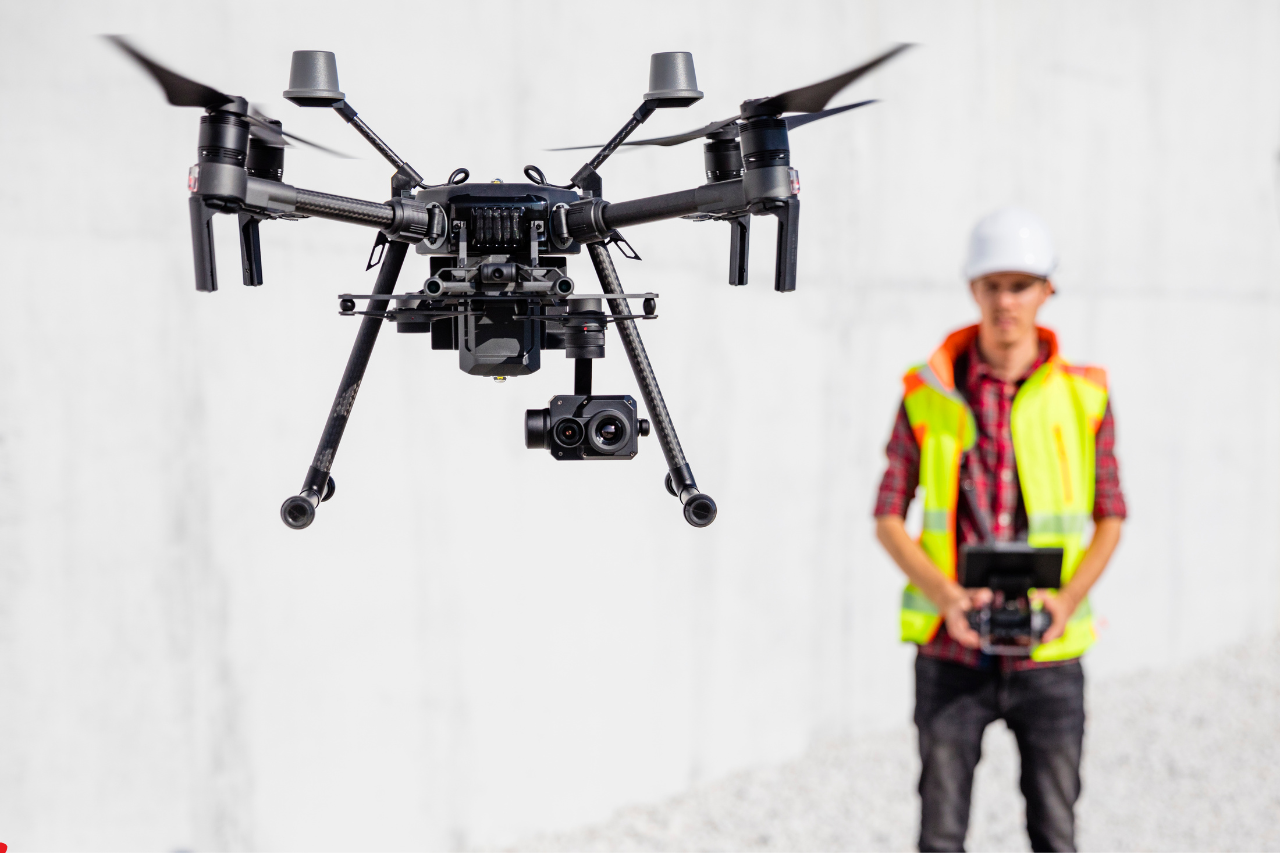
Drones play a crucial role in documenting crime scenes and collecting evidence. They provide aerial perspectives that are impossible to achieve from the ground, allowing investigators to capture the full layout of a scene. This is particularly useful for large or complex environments such as outdoor crime scenes, दुर्घ accident sites, or disaster areas.
The use of drones is driven by their ability to collect accurate, high-resolution data quickly and without disturbing the scene. Equipped with advanced cameras and mapping software, drones can create detailed 2D images and 3D models through photogrammetry or LiDAR technology. This ensures that evidence is preserved in its original state, which is critical for forensic analysis. Additionally, drones can access areas that may be unsafe or difficult for investigators to reach.
The results of using drones in crime scene investigations include improved accuracy and efficiency. Investigators can analyze scenes more thoroughly and reconstruct events with greater precision. Drone-generated models can also be used in court to visually explain incidents to judges and juries, strengthening legal cases. Furthermore, the speed of data collection reduces the time officers need to spend on-site, allowing them to focus on other tasks. Overall, drones enhance both the quality and reliability of evidence collection in modern policing.